Are You Exercising or Actually Training? (& Why it matters more than you think)
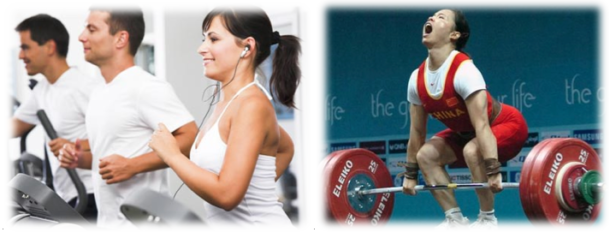
“If you care about improving your lifting numbers or learning a skill, you’re not just there to exercise… you’re training.”
That idea might sound intense, but it’s actually very relevant to the average person—not just athletes or gym enthusiasts. Whether your goal is to feel stronger, move better, lose weight, or simply keep up with your kids, understanding the difference between exercise and training can completely change your results.
Let’s break it down in a practical, realistic way.
Exercise vs Training: What’s the Difference?
Exercise is what most people do:
You show up
You sweat
You feel good afterwards
And that’s not a bad thing. Exercise improves general health, boosts mood, and helps maintain fitness.
But training is different. Training has:
A clear goal (get stronger, learn a skill, improve endurance)
Structure (planned sessions, not random workouts)
Progression (gradually increasing difficulty)
In simple terms:
Exercise is about doing something for the sake of doing it. Training is about improving something specific.
Why Functional Fitness Matters for Everyday Life
This is where functional fitness becomes important.
Functional fitness focuses on movements that actually carry over into real life—like squatting, lifting, pushing, pulling, and rotating. These are the movements you use every day:
Picking up shopping bags
Getting up off the floor
Carrying your kids
Moving furniture
Research shows that functional training improves strength, balance, and coordination in ways that directly translate to daily activities (https://pmc.ncbi.nlm.nih.gov/articles/PMC8450457/).
So even if you’re not chasing a personal best deadlift, functional fitness helps you:
Stay independent as you age
Reduce injury risk
Feel more capable in everyday tasks
Where Cross Training Fits In
Now let’s talk about cross training.
Cross training simply means combining different types of training:
Strength work
Cardio or conditioning
Mobility and flexibility
Skill-based movements
For the average person, this is incredibly useful. It prevents boredom, reduces overuse injuries, and builds a more balanced body.
Studies on high-intensity functional training (a form of cross training) show improvements in strength, endurance, and overall fitness (https://pmc.ncbi.nlm.nih.gov/articles/PMC10707569/).
But here’s the key point:
Cross training only works if it’s intentional.
Random workouts every day might feel productive, but they often lack progression—and without progression, results stall.
How to Tell If You’re Just Exercising
Tou might be “just exercising” if:
You do completely different workouts every session
You don’t track weights, reps, or performance
You avoid movements you’re bad at
You don’t have a clear goal
You rely purely on motivation
Again, there’s nothing wrong with this—but it explains why progress can feel slow or inconsistent.
What if I want to Shift Into Training Mode
If you realise you’ve been exercising but want to start training, don’t worry—you don’t need to overhaul everything overnight.
Here’s a simple way to start:
1. Pick a Clear Goal
Keep it realistic and specific:
“Improve my squat strength”
“Do my first pull-up”
“Build general strength and fitness”
Your training should revolve around this goal.
2. Repeat Key Movements
Training requires repetition.
In functional fitness, this means regularly practising:
Gymnastic Skills
Olympic Lifts
Strength Training
Training in different cardio zones
You won’t improve if you only do something once every two weeks.
3. Track Your Progress
This is where training becomes real.
Write down:
Weights used
Reps completed
How it felt
Time Scores
Progress might look like:
Lifting slightly heavier
Moving better
Completing more reps
A 2024 meta-analysis confirms that structured, progressive training leads to improvements in strength, endurance, and performance over time (https://pubmed.ncbi.nlm.nih.gov/39930392/).
4. Embrace Frustration (It’s Part of It)
This is the biggest mindset shift.
Training includes:
Missed lifts
Plateaus
Slow progress
That’s normal.
In fact, these challenges are a sign that you’re actually pushing your limits—something exercise alone doesn’t always do.
5. Use Cross Training Properly
Instead of random workouts, use cross training to support your goal.
For example:
Strength days (focus on lifting)
Conditioning days (varied Aerobic Zone workouts)
Mobility sessions (improve movement quality)
Research shows that structured cross training improves multiple areas of fitness—but also highlights the importance of managing fatigue and programming carefully (https://pubmed.ncbi.nlm.nih.gov/32774557/).
What This Looks Like in Real Life
Let’s make this practical.
Exercising version:
Random class on Monday
Jog on Wednesday
Different workout on Friday
Training version:
Monday: Strength (squats + accessory work)
Wednesday: Conditioning (short, intense session)
Friday: Strength (deadlifts + upper body)
Same time commitment—but completely different results over time.
Why This Matters for You
You don’t need to be an athlete to train.
Training helps you:
Get stronger in a measurable way
Build confidence in your body
Stay consistent because you have direction
Actually see progress over months—not just feel tired after workouts
And perhaps most importantly, it gives your effort meaning.
Final Thought
If you take one thing from this, let it be this:
You don’t need to train like an elite athlete—but you do need intention.
Functional fitness and cross training aren’t just trends. When used properly, they are powerful tools to help you move better, feel stronger, and live more fully.
So next time you walk into the gym, ask yourself:
Are you just exercising… or are you training?
Because that small shift in mindset can completely change where you end up.
Don’t Wait - Start your journey with us today!
Here at the MVMT Hub, we understand that starting your health and fitness journey may be daunting and challenging, but with the right mindset and our guidance, it can also be incredibly fun and rewarding. We will help you focus on building a strong foundation, listen to your body, and enjoy the sense of accomplishment as you progress through your fitness goals. Starting your health and fitness journey at Mvmt Hub means embarking on a path to better health and fitness with a supportive community and expert guidance. Remember, every journey starts with a single step. We’re here to take that step with you.
Ready to dive into the world of Functional fitness? Visit Mvmt Hub, or contact us to schedule your first class. Your fitness journey awaits!