
Training Smarter, Not Smaller: How Masters Athletes Should Adjust Their Training
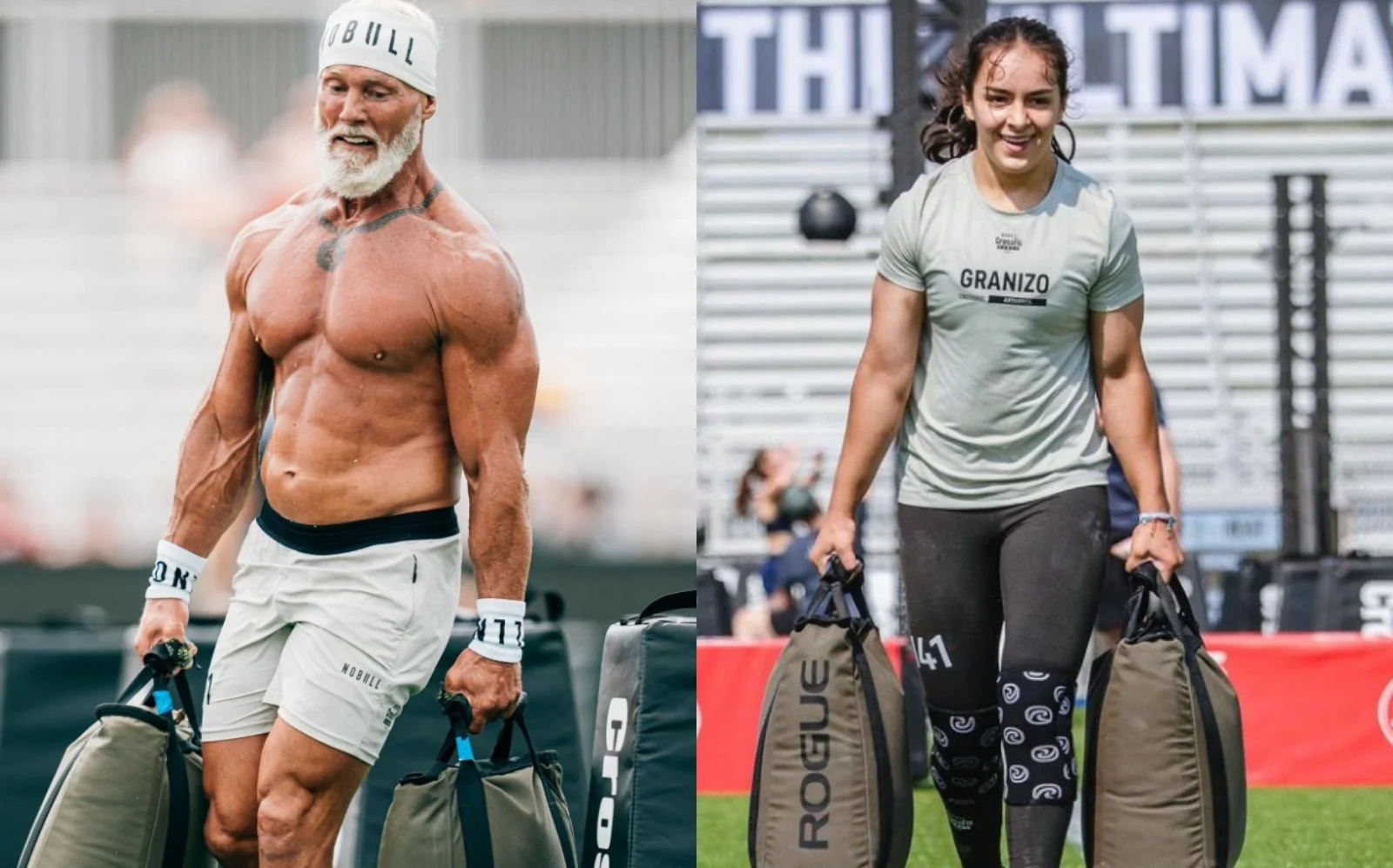
After our last blog I thought I’d take a deeper dive and expand more on the quiet myth that tends to creep into the minds of masters CrossFit and functional fitness athletes and how we can adjust to avoid falling into the trap: that once you pass a certain age, performance inevitably falls off a cliff. That strength disappears, recovery slows to a crawl, and training needs to become cautious, watered down, or “just for fitness”. The reality is far more encouraging.
Most masters athletes don’t decline as much as they think — but they do need to be smarter. The biggest difference between training in your 20s and training in your 40s, 50s and beyond isn’t potential, it’s approach. When training is structured with purpose, recovery is respected, and intensity is applied strategically, masters athletes can continue to build strength, capacity, and resilience for years. This blog explores how to adjust your training so it supports long-term performance rather than constant fatigue or frustration.
Rethinking the Training Split: Heavy Days and Hard Days
One of the most important adjustments for masters athletes is understanding that heavy and hard don’t have to occur everyday — and they shouldn’t always happen together. In younger years, it’s often possible to lift heavy, push intensity, and repeat that cycle day after day with minimal consequences. As a masters athlete, stacking maximal load on top of high metabolic stress too frequently is one of the fastest routes to stalled progress or injury. A smarter weekly split separates these stressors.
Heavy days should focus on:
Low to moderate volume
Higher loads (relative to your capacity)
Longer rest periods
Clear technical intent
Think heavy squats, deadlifts, presses or Olympic lift variations where quality matters more than speed. These sessions challenge the nervous system and preserve strength — one of the most valuable physical qualities as we age.
Hard days, on the other hand, focus on:
Conditioning
Mixed modal work
Higher heart rates
Controlled fatigue
These might be longer workouts, intervals, or competition-style pieces where intensity is present, but loads are moderate and movement remains consistent.
For most masters athletes, two heavy days and two to three hard days per week is a sustainable structure. Importantly, they should rarely be back-to-back. A heavy lower body day followed by a hard conditioning session that avoids heavy leg loading works well. What you’re managing is stress, not just sessions.
Training Volume: More Isn’t Better, Better Is Better
One of the biggest traps masters athletes fall into is trying to maintain the same volume they trained at in their 20s and 30s — often because they still can, at least for a while. The issue isn’t that you can’t handle volume.
It’s that excessive volume:
Erodes recovery
Reduces training quality
Masks progress with constant fatigue
Volume should earn its place.
For masters athletes, training volume needs to be intentional and repeatable, not heroic. Ask yourself: Can I recover from this session and train well again tomorrow or the next day?
A good rule of thumb:
Prioritise high-quality working sets and technique over junk volume
Cap sessions at 60–75 minutes
Avoid turning every workout into a mental and physical grind
If everything feels hard, nothing is truly effective. Sustainable progress comes from sessions that stimulate adaptation without leaving you constantly depleted.
Purpose and Intent: Train With a Reason, Not Habit
Masters athletes often have less time, more responsibility, and a greater need for training to deliver a return on investment. Turning up and “just doing the class” isn’t always enough anymore.
Every training block should have a clear goal and every training session should have a clear purpose:
Is this session building strength?
Improving aerobic capacity?
Developing skill under fatigue?
Supporting recovery?
Intent changes how you approach load, pace, and effort. Not every session needs to be attacked at 100%. In fact, many sessions should sit deliberately at 70–80%, allowing you to move well, breathe under control, and finish feeling trained rather than broken.
This approach doesn’t reduce progress — it protects it.
Masters athletes who train with intent tend to:
Stay healthier
Maintain consistency
Peak better for competitions or events
Consistency, not intensity, is the real superpower.
Recovery: Where Progress Actually Happens
If there’s one area where masters athletes truly need to be more proactive, it’s recovery. Training is the stimulus; recovery is the adaptation.
Sleep
Sleep is non-negotiable. Seven to nine hours should be the target. Poor sleep impacts hormone regulation, recovery, reaction time, and mood — all things that directly affect training quality. No supplement replaces it.
Mobility and Movement Care
Mobility doesn’t need to be endless stretching sessions. Instead, aim for:
Daily joint movement
Targeted mobility for problem areas
Light aerobic work to increase blood flow
Ten to fifteen minutes done consistently beats one long session done occasionally.
Nutrition
Masters athletes often underfuel without realising it, especially protein and carbohydrates. Strength and muscle mass are harder to maintain with age, making adequate protein intake essential. Carbohydrates support training intensity and recovery — they are not the enemy.
Eat to support training, not punish it.
The Big Picture: Longevity and Performance Can Coexist
Being a masters CrossFit or functional fitness athlete isn’t about clinging to the past or accepting decline. It’s about evolving your approach so you can continue doing hard things — well.
You don’t need to train less because you’re older.
You need to train smarter because you’re experienced.
By separating heavy and hard days, managing volume, training with intent, and prioritising recovery, masters athletes can continue to build strength, capacity, and confidence for years to come.
Age doesn’t end performance.
Poor planning does.
And the good news? You already have the wisdom — now it’s just about using it.
WANT TO GEEK OUT? See some cool studies on how minimal the decline is as we age!
Don’t Wait - Start your journey with us today!
Here at the MVMT Hub, we understand that starting your health and fitness journey may be daunting and challenging, but with the right mindset and our guidance, it can also be incredibly fun and rewarding. We will help you focus on building a strong foundation, listen to your body, and enjoy the sense of accomplishment as you progress through your fitness goals. Starting your health and fitness journey at Mvmt Hub means embarking on a path to better health and fitness with a supportive community and expert guidance. Remember, every journey starts with a single step. We’re here to take that step with you.
Ready to dive into the world of Functional fitness? Visit Mvmt Hub, or contact us to schedule your first class. Your fitness journey awaits!