
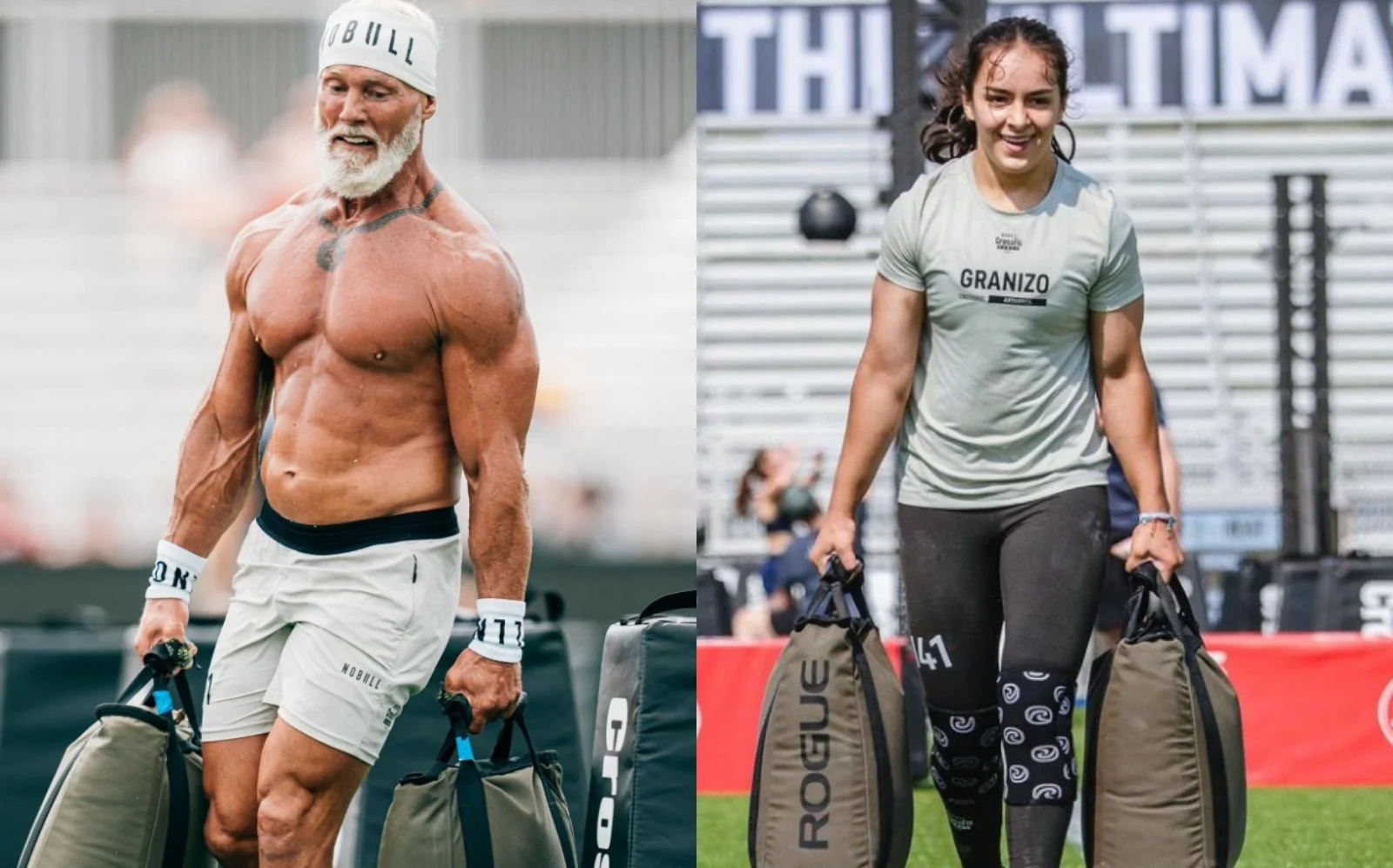
As I sit here, almost 40, with my first child and a plethora of old injuries, I would have thought my PR and performance days were long gone. Yet somehow I’m still hitting life time PRs and feeling capable of keeping up with those still 10 years younger, this has really had me thinking about the concept of ageing and performance and how we should train/manage older athletes. Ageing used to be seen as the beginning of the end for athletic performance — a slow, inevitable decline into stiffness, weakness, and dwindling capacity. But modern research, combined with the lived experience of thousands of master athletes, paints a very different picture. If anything, the years beyond 35 can be some of the most rewarding, empowering, and high‑performing of an athlete’s life.
In this article, we’ll explore what actually happens to the body as we age, why consistent training dramatically slows (and sometimes nearly eliminates) performance decline, and how adopting the right mindset can help us not merely “push the casket further away”, but squeeze every drop of joy and capability out of the years we have.
What Happens to the Body as We Age?
Ageing is a biological process, not a moral failing. From around our mid‑30s, several physiological changes begin to occur:
1. Hormonal Shifts
Testosterone, growth hormone, and oestrogen gradually decline.
These hormones play key roles in muscle protein synthesis, recovery, and energy levels.
Lower levels can make building or maintaining muscle slightly harder — but far from impossible.
2. Muscle Mass and Strength
Without training, adults lose roughly 3–8% of muscle mass per decade after 30.
Strength declines more slowly but accelerates after 50.
Much of this is due to reduced activity, not ageing itself.
3. Neuromuscular Changes
Motor units (nerve–muscle connections) reduce in number.
Fast‑twitch fibres — crucial for sprinting, jumping, and power — shrink if not used.
4. Recovery Slows
Connective tissues become less elastic.
Inflammation takes longer to settle.
Sleep quality may decline.
These changes are real — but they are not destiny. They are tendencies, not certainties. And this is where the story gets interesting.
The Evidence: Consistency Beats Decline
A growing body of research shows that athletes who continue to train intelligently into their 40s, 50s, 60s and beyond maintain astonishing levels of performance.
The Masters Sprinter Study
One of the most compelling pieces of evidence comes from a study examining sprint performance in athletes aged 17 to 88. Researchers found that sprint performance declined only 5–6% per decade, and even the oldest sprinters maintained impressive speed when they continued structured training.
This is far less decline than previously assumed — and it suggests that the neuromuscular system remains highly trainable well into later life.
Why Do Some Older Athletes Decline So Slowly?
A review from the University of Limerick highlights that while ageing does affect strength and biomechanics, the biggest factor in performance decline is reduced training volume and intensity, not ageing itself.
In other words: Stop training → decline accelerates. Keep training → decline slows dramatically.
Long‑Term Consistency Matters Most
A longitudinal study of sub‑3‑hour marathon runners found that athletes who maintained consistent training over five decades showed a significantly reduced age‑related decline in performance.
These runners didn’t just stay fit — they stayed fast.
The Big Picture
Across multiple studies, the message is clear:
Ageing athletes who continue to challenge themselves maintain high performance.
Decline is far slower than once believed.
The body remains adaptable, resilient, and capable of improvement well into old age.
The Attitude That Keeps You Young
If the science shows that performance can remain high, the next question becomes: How should we approach training as ageing athletes?
Here are the mindset shifts that make the biggest difference.
1. Train for Capacity, Not Fear
Many people exercise as if they’re trying to “push the casket further away”. It’s a grim, fear‑based approach — and not a particularly motivating one.
A better mindset is:
“I train to maximise my capacity to enjoy the world while I’m in it.”
Training becomes a way to:
hike with friends
play with children or grandchildren
travel without limitations
compete with confidence
feel strong, capable, and alive
This shift transforms exercise from a chore into a celebration of what your body can do.
2. Embrace Progressive Challenge
The ageing body thrives on challenge — just like the younger one.
Lift weights.
Sprint (safely).
Jump.
Move fast.
Learn new skills.
The sprinter study shows that fast‑twitch fibres respond brilliantly to training even in older age groups. Avoiding intensity accelerates decline; embracing it slows it.
3. Respect Recovery
Older athletes can train hard — but they must also recover smart.
Prioritise sleep.
Use active recovery.
Manage stress.
Eat enough protein.
Periodise training.
Recovery isn’t a sign of weakness; it’s a performance tool.
4. Stay Consistent, Not Heroic
The biggest mistake ageing athletes make is trying to train like they did at 20.
The second biggest mistake is doing nothing at all.
The sweet spot is sustainable consistency:
3–5 quality sessions per week
A mix of strength, conditioning, mobility, and skill work
Enough intensity to stimulate adaptation
Enough rest to avoid burnout
Consistency beats intensity — but the best results come from both.
5. Celebrate the Wins
Ageing athletes often compare themselves to their younger selves. But the real comparison should be:
You today vs. you if you stopped training.
Every session is a victory. Every year you stay active is a triumph. Every decade you continue to perform is a testament to your resilience.
The Ageing Athlete Is the Future of Sport
The rise of master athletes is one of the most exciting trends in modern sport. Participation is booming, records are being broken, and the science is catching up to what these athletes have known for years:
Ageing does not mean decline — inactivity does.
With the right training, mindset, and consistency, athletes over 35 can:
stay strong
stay fast
stay powerful
stay competitive
stay joyful in movement
The ageing athlete isn’t a fading star — they’re a rising one, redefining what’s possible for the human body.
Want to geek out? Check out these articles
Don’t Wait - Start your journey with us today!
Here at the MVMT Hub, we understand that starting your health and fitness journey may be daunting and challenging, but with the right mindset and our guidance, it can also be incredibly fun and rewarding. We will help you focus on building a strong foundation, listen to your body, and enjoy the sense of accomplishment as you progress through your fitness goals. Starting your health and fitness journey at Mvmt Hub means embarking on a path to better health and fitness with a supportive community and expert guidance. Remember, every journey starts with a single step. We’re here to take that step with you.
Ready to dive into the world of Functional fitness? Visit Mvmt Hub, or contact us to schedule your first class. Your fitness journey awaits!